Blog

Max Health And Fitness
Tampilkan postingan dengan label Diet. Tampilkan semua postingan

Beautiful girl is looking at unhealthy donut with appetite. It is situated on a table. Isolated on a white background

You had a hard day at work and feel like you need a reward. As soon as you get home, you reach for the cookies on your kitchen counter. You don't even think about it and just react. In the span of one minute, you inhale three cookies. You had an unpleasant experience and try to cope by reaching for a more pleasant experience.

In the past several years, I have consulted on research looking at the long-term benefits of mindfulness as it relates to weight loss, healthy nutrition, stress resiliency and greater well-being. One of the studies I consulted on observed the relationship between stress and eating. When we feel stressed, we often crave foods that are higher in fat and sugar because these foods reward us quickly with a release of dopamine or serotonin. These neurotransmitters promote relaxation to our stressed nervous systems. This is why we call them comfort foods.

Chronic stress—the kind that can come from a difficult interaction in a relationship or challenges on the job—can turn a switch that elevates cortisol secretion. This, unfortunately, promotes abdominal fat storage.

Want to learn how to be mindful of your stressors and cravings while losing belly fat? Of course you do! Mindfulness is simply paying attention in the present moment. When we slow down and pay attention to what is happening now, we cultivate greater awareness of our thoughts, feelings, body and needs. When we practice slowing down, our nervous system relaxes. We can more easily deal with all the ups and downs of life from a place of calm. This, in turn, diminishes cortisol secretion, leading to less abdominal fat. When we are mindful, we can tune into what we are craving and what is actually wise to feed in that moment. Here's how:

1. Learn to pause.

By learning how to be mindful of what we are hungry for, we can train the mind to notice but not automatically react, based on habitual patterns. In other words, we can notice we want the cookie but not eat it without thinking first.

2. Get enough sleep.

Research reveals that we aren't able to make the best choices about food when we are sleep deprived. I would also include that we are more irritable and have less ability to concentrate and focus, and our overall capacity to deal with life is diminished, when we have less sleep.

3. Learn to label your feelings.

Research has shown that labeling what we experience in the moment lessens our emotional reactivity to the stressor. All of our feelings have needs, so by tuning into your feeling, you can tune into what you need.

4. Surf the urge.

We have many different desires all day long, but if we acted on each one, we would be 2 year olds, not well-meaning, mature adults. If you really want something (sex, those new shoes, food, etc.), notice the desire and then ask, "Can I be with this desire for 20 minutes?" Yes, of course you can. Practice waiting, and if you still want it 20 minutes later, then go for it. What normally happens is the original desire isn't so captivating anymore, and it passes (then we want something else).

I teach about the relationship of mindfulness and cravings in the Blooming Lotus course; our August focus is mind/body health.  

5. Practice patience.

Much of our reaching for the pleasant is due to our impatience with the unpleasant. We can learn to build our patience muscle by slowing down and accepting what is.  I personally find impatience with traffic, so I have a little Post-it in my car that says, "Practice patience." This gentle reminder helps a lot when I do encounter traffic. We all know the saying, "Good things come to those who wait."

Listen to your desires, and see if you can practice surfing the urge. Let me know how it goes!


The Simplest Plan for Successful Weight Loss

If there is one fact that everyone knows in theory but not in practice, it's this: You're not perfect.

You're going to struggle. You're going to have bad days. You're going to eat more than you planned on eating, and you're going to feel like doing nothing sometimes. It's not a matter of "if." It's "when." And, after helping more than 1,000 people lose weight, I can tell you more than likely that "when" is Friday.

Friday is the most common day I see people get a case of the "screw its." When perfect is no longer an option, they just throw the playbook completely out the window. But these swings in consistency are death to long-term weight loss because they rob us of momentum.

So I started trying to come up with a better plan, and, luckily for all my clients, I'm a huge history nerd. In battle, great generals do not just tell their troops "charge" and, if things go badly, yell, "Run away!" Before troops ever go into battle, they pick a spot on the map to retreat to in case things go badly. This is their "Fallback Plan." After reading a bunch of books about the history of tactics in land battles, I developed "Fallback Plan Friday."

Your fallback plan is your line in the sand. Something you are 100% confident you can do, no matter what. It can be a nutrition habit like eating protein at every meal or an easy 15–20 minute workout that moves you toward your goal but requires as much thought as brushing your teeth.

A good fallback plan needs to be simple and easy, and it has to be bang for your buck. Start by writing down your favorite way to train or eat. Do you like barbell complexes? Salads? Kettlebell swings and goblet squats? Tae Bo? Anything is fine. Let me repeat that: Any exercise or nutrition habit you love is fine.

Now write down the bare minimum that you can do of that exercise or nutrition habit and still feel like you're making progress. Is it one salad at lunch? Is it drinking one less (sugary or alcoholic) drink? Doing 20 push-ups? And yes, I want you to underestimate here. I mean, really lowball it. The whole goal is to do something that's possible and enjoyable, so you feel more ready to get back at it tomorrow. Don't think, "I've done 1,200 swings in a workout before" and then think you can do 1,000 every day. Ask yourself, "When the sun comes up on Saturday morning, and I've got a slight hangover from too much red wine the night before, what's the workout that's going to make me feel better?" That's your fallback plan.

Some examples:

  • 100 kettlebell swings
  • Eating a vegetable at every meal
  • A 20-minute jog or bike ride
  • Replacing one caloric drink with water
  • A long walk
  • Splitting your dinner into two meals
  • 3–5 Turkish get-ups per side
  • 3–5 sun salutations
  • Or even just the warm-up from your regular workout

The key to this fallback plan is that you aren't retreating. You are still in enemy territory, regrouping for your next attack. If you feel like you can do more, do a little more. If you feel like you can do a lot more, do a lot more! But if, after going hard for a few workouts earlier in the week, you get to the weekend and don't feel like you can do anything, remember: You can still do something. Be a great general, and make your fallback plan.

stability ball workouts article 2

A stability ball (often referred to as a Swiss, exercise or physio ball) is a great piece of equipment that can not only make standard moves like crunches, extensions and planks more challenging, but it can also double as a desk chair.

Whether you decide to use the ball to work out with or to simply sit on, make sure you have the right size ball for the best results. In general, if seated on the ball, your knees should make a 90-degree angle from your hips when your feet are flat on the floor. To help pick the best size for you, here are some basic recommendations based on height (just remember you’ll want to sit on it to find the perfect fit):

  • If you are 5 feet 4 and under, try a 55 centimeter ball.
  • If you are between 5 feet 5 and 5 feet 11, try a 65 centimeter ball.
  • If you are between 6 feet and 6 feet 7, try a 75 centimeter ball.

It’s important master key form basics and proper alignment for every exercise before incorporating the stability ball into your routine. Just like you need to learn how to walk before you can run, being able to execute moves properly on solid ground should come first.

All set? Great! Here are 3 excellent reasons to consider integrating a stability ball into your workout routine for better results:

  1. Build Core Stability and Flexibility

stability ball workouts article 1

Including an unstable element (such as a stability ball) in your fitness regimen could help you strengthen your stabilizing muscles and improve your ability to balance more efficiently. One study published in the Journal of Strength and Conditioning Research found that women who used a physio ball during specific core exercises (such as curl-ups and back extensions) experienced greater torso stability and balance after 5 weeks than those who did similar movements on the floor.

Core stability is key for improving your force production while reducing the load on your joints in both exercise-related and everyday activities like throwing, running or jumping. Similarly, flexibility training is crucial for increasing range of motion, which can also reduce the strain on your joints, and improve posture and exercise performance. Utilizing a stability ball during stretching can provide support for movements that may be too difficult to achieve solo—this is why the ball is a great tool for flexibility sessions. And, because you’ll still work to balance on the ball while stretching, you can develop core stability and flexibility at the same time.

Check out my "On the Ball: 20-Minute Core Stretching Routine" below for how to incorporate the Swiss ball for both core-stability and flexibility work.

  1. Amp Up Your Ab Routine

Feel like you're ready to take your ab training to the next level? A stability ball can increase your range of motion during exercises like rotations and planks, adding another degree of difficulty.

There’s yet another reason to love ab work on a Swiss ball: Performing traditional floor exercises (like crunches) on the ball may help prevent the lower back pain or aggravation that can commonly occur with floor movements. For ideas on how to use the ball for more back-friendly abdominal exercises, please check out this 7-minute core workout video.

  1. Add Another Dimension to Total-Body Training

Incorporating a stability ball into your strength training routine can also be beneficial to your progress; it’s just not something you want to include during every session. Research indicates that this type of “instability training” can offer multiple benefits, including greater neuromuscular adaptations, improved coordination and higher muscle activation, all with less stress on the joints.

For strength gains, however, using unstable surfaces to work off of while lifting heavy weights may not be your best bet. The instability can decrease the overall force output your muscular system can provide since it has to work overtime to stabilize your body during your workout. The bottom line? When lifting heavy weights, stick with stable ground. But when you want to include more balance, core strength and coordination in your resistance training routine, include the stability ball with lighter loads and higher reps.

Ready to try some total-body training with a stability ball? Please check out my 30-minute "Stability Ball Sculpt" workout.

Tell me, do you use a Swiss ball for your workouts? What are some of your favorite moves? I’d love to hear what works for you—please share your best tips with us in the comments below!

—Photos by Vanessa Rogers Photography

cherry garcia ice cream

We’ve all been there: It’s late, we’re hungry, and the drive-through window is beckoning. But before you grab the keys (or call for delivery) check out this list of less food-coma inducing late-night fare. It may require a little more work than swinging through a fast food joint, but the payoff is the seriously delicious satisfaction of knowing you’re feeding yourself well (and making healthy leftovers for tomorrow).

Savory Fare

Instead of a fast-food burger, make:

1. Bean-Kale Burger with Sweet Potato Wedges
For the vegetarians among us, here's a healthy recipe that provides balanced nutrition from superfood kale, sweet potato, and pinto beans. The recipe calls for pepper jack cheese, but this can be omitted if you're vegan or dairy-free.

black bean burger

2. Amazing Cheddar Sliders
While double-decker cheeseburgers are certainly delicious, they aren't the best "snack" if you're looking to stay awake for an all-nighter. This slider recipe cuts down on portion size while still packing flavor. To make this recipe even healthier, use a whole-wheat bun or skip it in favor of lettuce for added crunch.

Instead of a diner omelet, make:

3. Garden Vegetable Omelet
While omelettes may appear to be the healthiest option on the late-night diner menu, the serving sizes leave something to be desired in the health department. Make your own healthier version at home by tosssing in a whole bunch of veggies.

garden omelette

4. Caprese Omelet
Quality is key here, as juicy tomatoes, fresh mozzarella, and fresh basil all shine at the peak of their freshness.

Instead of French fries, make:

5. Healthy Baked Sweet Potato Fries
French fries are undoubtedly addictive, especially the ones served at late-night eateries. This recipe calls for baking, not frying (without sacrificing any flavor!). Sweet potato fries, in particular, pack some serious vitamin A, which gives your eyes a boost at the end of a long day.

sweet potato fries

6. Spicy Baked Fries
The seasoning on these thick potato wedges is so tasty, you won't even realize they've avoided the fryer. As the recipe suggests, alter the ratio of paprika or cayenne pepper to amp up the spice.

Instead of delivery or frozen pizza, make:

7. Homemade Bagel Bites
No matter how much we wish for it, pizza isn't exactly a vegetable—but it’s still possible to make a healthy version of the perennial favorite, bagel bites, for a midnight snack! Built-in portion control does these snacks good. To make them even healthier, use whole-wheat bagels, and top with herbs and veggies.

bagel bites

8. Cauliflower Crust Pizza
While the taste won't exactly parallel doughy pizza, this recipe is a savory, healthful, and unique alternative to classic delivery options. Be warned: Making this crust thick will result in more of a shepherd's pie than a pizza; while not quite the same texture, it’s still delicious!

Instead of a drive-through breakfast sandwich, make:

9. Egg and Avocado Sandwich
Superfood avocado automatically ups the nutrition profile of this sandwich… and its natural creaminess will make cheese seem almost subpar in comparison.

10. Egg Sandwich with Wilted Spinach
Eggs and veggies on toast make an excellent, balanced snack or meal (especially when they’re made with whole ingredients rather than obtained via the drive-thru). This healthy option will satisfy your tummy and, thanks to the protein, give you a surge of energy, to boot.

Instead of drive-through quesadillas, tacos, and burritos, make:

11. Chicken Burrito Bowl
Losing the tortilla in favor of a burrito bowl makes for a lighter (and, depending on what you fill the bowl with, gluten-free) alternative to gigantic burritos. Besides, the combination of rice, beans, and lean protein in this recipe need no additions (and ensure long-lasting energy).

12. Healthy Veggie Burritos
Enormous, Mission-style burritos are absolutely fantastic. But given that they often weigh as much as a small child, they can leave us feeling pretty sluggish the next morning. Cook up this healthy veggie burrito instead.

13. Black Bean Quesadillas
When they're homemade, quesadillas are healthy meals (or snacks!) that can be stuffed with virtually every combination of ingredients, whether sweet or savory. This recipe provides a healthy vegetarian dish that can be cooked up in a flash.

14. Avocado Quesadillas
Avocado plus melted cheese equals healthy fats, protein, and (thanks to the tortilla) carbs. To make this recipe even healthier, choose a whole-grain tortilla and keep portions in check.

15. Weeknight Black Bean Tacos
Don't let the concept of a vegan taco deter you from this recipe. The spicy seasoning mixed with piquante lime will tempt even die-hard ground beef fans!

16. Vegetarian: Tacos De Hongo, Chile Poblano Y Cebolla
Like vegan tacos, vegetarian tacos seem like something of an oxymoron. But this recipe packs plenty of authentic flavor thanks to the poblano chiles.

Instead of store-bought grilled cheese, make:

17. Spinach and Artichoke Grilled Cheese
This is another recipe for which the quality of ingredients is key (and will really enable this sandwich to shine). Feel free to omit the sour cream if you’re dairy-free or counting calories.

spinach grilled cheese

18. Grilled Portobello, Bell Pepper, and Goat Cheese Sandwich
The meatiness of the portobello and the creaminess of the goat cheese mean that a small sandwich will feel much more indulgent than its size. If you’re Paleo, roast two whole portobello caps ahead of time and use them as buns instead! (Pro tip: If making the Paleo version, try assembling the sandwiches and then melting the cheese in the oven, as pan-frying quickly becomes messy.)

Instead of potato chips and French onion dip, make:

19. Baked Kale Chips
It's easy to eat a whole tray of these superfoods in one sitting—but hey, that just means you're stocking up on vitamin K! The best part about kale chips (besides their addictive crunchiness) is that they can take on any type of flavor, from lemon to garlic to miso, and still be completely wonderful.

kale chips

20. Roasted Red Pepper Dip
Nutrient-rich red peppers, onion, superfood garlic, heart-healthy olive oil, red wine vinegar, and salt and pepper combine for a healthy, savory dip that will have you coming back for seconds (and thirds, and fourths… ).

21. Healthy Baba Ghanoush (Eggplant Dip)
Baba Ghanoush can prove even more addictive than hummus, but given that many store-bought versions include more mayonnaise than eggplant, it's not always the healthiest choice of dip. While this homemade version still calls for some mayo, feel free to swap in more tahini. Plenty of eggplant provides vitamins K and B6, thiamin, folate, potassium, manganese, and fiber.

22. Roasted Garlic, Sun-Dried Tomato, and White Bean Dip
The rich flavors of this bean dip will shine on any dipping “instrument,” from whole-grain chips to red pepper slices. The creaminess of the white beans pairs beautifully with the savory flavors of the sun-dried tomatoes and garlic.

Instead of the Chinese buffet, make:

23. Healthy General Tso's Chicken Recipe
The sweet-sticky sauce covering General Tso's chicken is understandably addictive, but it most likely has unpronounceable ingredients. Stir-frying the chicken is healthier than sticking it in the deep fryer, while your mind can rest easy with this sauce made from whole, natural ingredients.

healthy general tsos chicken

24. Tofu That Tastes Good: Stir Fry
The texture of tofu can be off-putting for many, but baking and then stir-frying it in a sweet teriyaki sauce will make it much more firm. This recipe would be delicious with any mixture of vegetables.

25. Light and Healthy Vegetarian Lo Mein
Lo mein is such a wonderful mix of textures that its ingredient list should be just as lovely! To avoid the mystery of take-out lo mein, make a homemade version. This recipe is vegetarian, but stir-fried beef or shrimp would make delicious additions.

Instead of mac 'n cheese from a box, make:

26. Mac 'N Cheese (Vegan and Gluten Free)
While vegan and gluten-free mac 'n cheese sounds nigh on impossible to achieve, this recipe will leave you pleasantly surprised. The addition of cauliflower or white beans enables an even creamier texture and many more nutrients than a powdered cheese packet.

mac 'n cheese

27. Creamy Butternut Squash Macaroni and Cheese
For a slightly gourmet twist on mac 'n cheese, this butternut squash version, with its combination of Gruyere and Romano cheese and crunchy Panko breadcrumbs, is exceptional. The butternut squash adds plenty of nutrition while tinting the dish a vibrant yellow.

Instead of store-bought chicken wings, make:

28. Crispy Baked Chicken Wings
This classic party food can be a stomachache in the making thanks to heavy amounts of oil and spicy sauces. This homemade version will leave you feeling satisfied, not sick, as its crispiness is achieved via the oven rather than the deep fryer.

baked chicken wings

Instead of traditional PB&J, make:

29. Fried Peanut Butter Banana Sandwich
It was Elvis's favorite sandwich, but that doesn't mean we can’t “healthify” it a bit—and this version still provides plenty of crunch.

peanut butter and banana sandwich

30. Apple Sandwiches with Honeyed Peanut Butter, Oats, and Raisins
Don't just eat apples out of hand! Core and slice apples to make these tasty treats. The oats and raisins provide wonderful texture to contrast the crunchy fruit.

Sweet Snacks

Instead of convenience store ice cream, make:

31. Banana Cherry Garcia Soft Serve
This recipe is just as addictive as the original Ben & Jerry's version, but with plenty more fiber and nutrients! Making it at home enables you to add as many chocolate and cherry chunks as you desire, which is definitely another bonus.

cherry garcia ice cream

32. Peanut Butter, Jam, and Banana Soft Serve Popsicles
Banana soft serve might be the best thing since sliced bread. The creamy sweetness of the blended frozen banana mimics ice cream quite nicely, and it is equally versatile, as these popsicles demonstrate.

33. 5-Minute Avocado Sorbet
By no means do avocados have to be savory. They shine in sweets from brownies to mousse, but the simplicity of this avocado sorbet is spectacular.

Instead of a drive-through milkshake, make:

34. Raw Cookie Dough Milkshake
The more cookie dough chunks, the better, but store-bought cookie dough often contains plenty of scary chemicals. This recipe eliminates unpronounceable ingredients in favor of a banana-based, egg-free cookie dough flavor.

35. Skinny Strawberry Banana Milkshakes
Strawberry shakes may seem more refreshing than their chocolate-based counterparts, but as they rarely include fresh fruit, they aren't necessarily a healthier choice. This simple version packs plenty of antioxidants for genuine health-boosting goodness.

36. Healthy Peanut Butter, Banana, and Honey Milkshake
The textural interplay between the creamy peanut butter and banana base and the crunchy cacao nibs is simply amazing. Adding raw honey boosts sweetness without processed sugars.

Instead of packaged brownies, make:

37. Vegan Gluten-Free Black Bean Brownies
Black beans fill up your tummy with fiber and protein. Strange though the ingredient list may seem, the black beans make these really fudgy, which makes for perfect brownie bites!

38. Skinny Brownie in a Mug
Greek yogurt lends a healthy dose of protein while keeping the mug cake moist. This simple recipe is perfect for those who prefer their brownies to taste like batter!

Instead of packaged cookies, make:

39. "Raw" Cookie Dough (Egg Free)
If there's one sweet snack to love more than cookies, it's cookie dough. To avoid salmonella poisoning, try out this egg-free version of a sweet classic. If you don't have much of a sweet tooth, try lightening up the sweeteners in this recipe to save both calories and your blood sugar.

cookie dough

40. Vegan Single-Serve Oatmeal Chocolate Chip Cookie
These cookies would be healthy enough to eat for breakfast. The banana and chocolate chips elevate baked oatmeal into a chewy, fudgy skillet cookie.

41. “All for One” Chocolate Chip Cookies
This recipe seems nigh on miraculous. Thanks to nutrient-packed ingredients such as coconut flour and molasses, you can eat the entire batch for the caloric equivalent of a single Chips Ahoy cookie! Even more important: You skip out on all the processed ingredients.

42. Cookie Dough Greek Yogurt
Given that this recipe features Greek yogurt as its base, it's much healthier than eating spoons of raw cookie dough. That said, the peanut butter and maple syrup make for an indulgent dessert, which is perfectly offset by the touch of sea salt recommended in this recipe.

43. Quick 5-Minute Healthy Chocolate Chip Cookie Dough Dip (Paleo)
Soaked cashews and coconut butter provide a wonderfully creamy and sweet base for this dip! Apple slices or banana chips would pair well with the coconut-chocolate flavor.

Instead of diner pancakes, make:

44. Flourless Pumpkin Spice Pancakes
Superfood pumpkin is hardly a seasonal vegetable—it's so packed with vitamin A that it deserves to be eaten all year round! These pumpkin pancakes pack plenty of flavor without refined sugars or flours.

45. Oatmeal Mini Pancakes
Oatmeal's versatility is often underrated—here, the oats add a nice textural contrast to these dense pancakes. Oatmeal is also a superfood that can help lower blood cholesterol levels, aid with digestion, and improve metabolism.

46. Greek Yogurt Blueberry Pancakes
Between protein-packed Greek yogurt and antioxidant-rich blueberries, this recipe packs a lot of health benefits without the processed ingredients so often found in pancake mixes! Almond flour could work as a substitute to make this recipe gluten-free (just add a bit more leavener to compensate for the added heaviness).

Instead of a store-bought latte, make:

47. Salted Caramel Mocha Latte
Giant Starbucks mochas are delicious, to be sure, but at close to $5 each, they aren't the most economical option—and besides, they’re often loaded with added sugars. This recipe provides a less expensive way to get that salty-caramel flavor year-round!

salted caramel latte

48. The Perfect Homemade Latte
This recipe is super simple, and gives an energy boost from caffeine without a sugar crash later on. Flavor as you desire: Mint chocolate chip latte, anyone? Or pumpkin spice? The choice is yours, without any of the side effects of sugary syrups!

Instead of convenience store candy, make:

49. Healthy Gummy Bears
Gummy candies are difficult to resist, but instead of reaching for high-fructose-corn syrup-laden versions, make simple fruit juice-based ones at home. These are just as addictively chewy and sweet, but without the scary ingredients.

gummy bears

50. Healthy Sour Watermelon Gummies
These addictive (and Paleo!) gummies mimic Sour Patch Kids, but their flavor stems from a mixture of fresh watermelon and lemon rather than refined sugar.

51. Homemade Raw Vegan Chocolate
Strong dark chocolate is quite healthy already, but try out this vegan option if you're looking for a milkier (but dairy-free) treat. Adding different types of flavoring (extracts, dried fruits, nuts) to this base would be a wonderful way to add variety!

52. Make Your Own Raw Vegan Chocolate
Maple-coconut vegan chocolate sounds like a dream! Adding crunchy cacao nibs would be a perfect add more texture to this recipe.


No Secrets to Weight Loss How Victoria Wagar Lost 164 Pounds

For 32-year-old administrative assistant Victoria Wagar, a trip to Disney World 10 years ago unexpectedly changed her life. During that trip, she had been ordered off a roller coaster at the famed theme park when the safety bar wouldn't close. She was simply too big. But, when she recently planned another visit to the amusement park, this time with her 4-year-old daughter, there was no way she wanted that to happen again.

With that trip to Disney World on the calendar, she decided it was finally time to make a change. For someone who had been overweight for as long as she could remember, shrinking her 350-pound frame wasn't a simple proposition.

"There wasn't a day that went by that I didn't think about the fact that I was overweight," she remembers. "I always compare it to any addiction: I couldn't stop eating and always made the choice to eat the wrong things, even though I knew it was wrong."

Despite the odds, Wagar has managed to lose a whopping 164 pounds in a little less than a year and a half. This wasn't the result of a trendy diet, an expensive gym membership or even surgery. Wagar's key to weight-loss success was a direct result of educating herself about healthy habits and tracking every food she ate and step she took. Here's how she did it:

1. Create a Snowball Effect of Good Decisions

After signing up for MyFitnessPal in March 2014, Wagar dove headfirst into learning how to lead a healthier life. "I used the site, read the blogs and took tips from those," she says. "I gradually added more fresh fruits and vegetables, but it didn't happen overnight. I found that one good decision leads to another."

With a better understanding of the types of foods that would help her lose weight and achieve greater health, she also cooked recipes featured on the site. What's more, as she honed in on the healthier foods that she liked the most, she also started creating her own recipes. By entering them into the recipe nutrition calculator, she was able to determine overall calorie intake and serving sizes. "I know too much to ever go back now," she adds.

2. Initiate a Logging Streak

Previously, Wagar never had any idea of how much and what kinds of foods she should be eating, much less a daily calorie goal. Over time, she was able to determine what made sense for her as an individual. In order to make sure she was hitting her goals, she found that logging her meals was imperative.

"I've logged in for more than 500 days in a row now," she says. "When I started losing weight, I felt so good, so that was a major incentive."

Even in those early days before she made any big changes to her diet, she said that logging came in handy. "The first couple of times I put food in the log, I couldn't believe the calories," she explains. "Even if you're not going to change anything, get in there and log what you're eating and it'll really make you think. Sometimes I even use it as a research tool by putting something in to see how many calories it has before I eat it."

Wagar discovered that logging exercise was equally motivating. While she could initially walk around her neighborhood only one block at a time, she has progressively been able to add time to her walks as the weight came off.

"Holding yourself accountable no matter what is key," she says. "I really recommend tracking your steps so you can see how much you've moved. Now my day isn't the same if I don't work out."

3. Prioritize Caring for Yourself

Along with increased motivation came self-control for Wagar. "I had to tell myself that if I can get up every day and brush my teeth, I can do this: I'm worth it. I'm going to choose to take care of myself," she says.

She found greater self-control by planning ahead. She now goes to the supermarket with a list for the week's groceries so she's not caught in a moment of hunger without healthy options. On Sunday nights, she has fruits and vegetables cut and ready to eat, dinner in the Crock-Pot and lunches packed for the week.

To be sure, her newfound healthy lifestyle doesn't mean that she never eats the foods that she once loved. "I will have a burger at a cookout, for instance, but I will also bring a caprese salad and load up my plate with that," she says. "Even if you do have a bad day, you still have to hold yourself accountable; log it, and move on."

As someone who has waged a lifelong battle with weight issues, Wagar hopes that her story can serve as inspiration to others. "People always ask, 'What's your secret?' But it's not a secret. It's diet, exercise and MyFitnessPal," she says. "It has really changed everything—every relationship, my job. I'm just so happy."


Thai Beef Kabobs with Garden Vegetable Saute

Time to fire up those barbecue grills! Eat Up Slim Down's Thai Beef Kabobs are flavored with a delicious, sweet-and-sour marinade. Enjoy the kabobs alongside the simple Garden Vegetable Saute for a tasty, summertime meal.

Thai Beef Kabobs with Garden Vegetable Saute

Ingredients

  • 2 tablespoons Lemon Juice
  • 1 tablespoon Reduced-Sodium Soy Sauce
  • 1 tablespoon packed Brown Sugar
  • 1 tablespoon minced Garlic
  • 1 teaspoon Red Pepper Flakes
  • 1 teaspoon Ground Black Pepper
  • 1 pound Beef Chuck, trimmed of fat and cut into 2″ cubes
  • 1 cup julienned Zucchini
  • 1/2 cup sliced Scallions
  • 1/2 cup Corn Kernels
  • 1/2 cup sliced Green Beans
  • 1 tablespoon Olive Oil
  • 1/2 pint Cherry Tomatoes, halved (1 cup)
  • 1 tablespoon minced fresh Parsley or Cilantro

Directions

Mix the lemon juice, soy sauce, brown sugar, garlic, pepper flakes, black pepper, and beef in a resealable plastic bag. Refrigerate for 2 hours.

Preheat the grill or broiler. Drain the beef, reserving the marinade. Thread the beef onto 8 skewers. Grill or broil the kabobs 4″ from the heat for 12 to 15 minutes, or until the beef is lightly browned on all sides and no longer pink in the center (check by inserting the tip of a sharp knife into 1 beef cube).

Meanwhile, coat a large nonstick skillet with cooking spray and place over medium-high heat. Add the zucchini, scallions, corn, beans, and oil. Cook, stirring, for 5 minutes, or until the beans are crisp-tender. Add the tomatoes and 2 tablespoons of the reserved marinade (discard any remaining marinade); cook, stirring occasionally, for 2 minutes. Add the parsley. Serve with the beef.

Nutrition Information

Serves: 4 | Serving Size: 2 skewers + 1/4 of vegetables

Per serving: Calories: 264; Total Fat: 12g; Saturated Fat: 3g; Monounsaturated Fat: 6g; Cholesterol: 68mg; Sodium: 266mg; Total Carbohydrates: 14g; Dietary Fiber: 2g; Sugars: 6g; Protein: 24g

Nutrition Bonus: Potassium: 721mg; Vitamin A: 15%; Vitamin C: 37%; Calcium: 4%; Iron: 20%


grilled zucchini and corn salad

This smoky vegetable salad by Uproot from Oregon makes a great side for your grilling party. Juicy corn kernels and tender zucchini are dressed in a tangy lemon-basil vinaigrette. To make this vegan-friendly and healthy diet side dish, just leave out the feta cheese.

Grilled Zucchini Corn Salad

Ingredients

  • 3 medium zucchinis, halved lengthwise
  • 2 large ears of corn, husk and silk removed
  • 1/4 cup feta cheese, crumbled
  • 2 tablespoons lemon juice
  • 1 tablespoon olive oil
  • 1/4 cup packed basil leaves
  • Black Pepper, to taste

Directions

Heat the grill on medium (clean the grates as necessary to avoid sticking). While grill is heating, lightly grease zucchini and corn with oil.

Place zucchini and corn over direct flames on the grill for 10 minutes, turning every few minutes for grill marks.

After 10 minutes, move the corn away from direct heat but still leave it inside the grill. Flip zucchini and cook for another 5 minutes until easy to pierce with a fork, but not soft. Remove the vegetables from the grill and allow them to cool slightly.

Slice zucchini width-wise into 1/2″ chunks and cut corn off the cob. Thinly slice the basil.

Toss vegetables with feta cheese crumbles, lemon juice, olive oil, and sliced basil. Serve as a side dish at room temperature or cold.

Nutrition Information

Serves: 6 |  Serving Size: 3/4 cup

Per serving: Calories: 105; Total Fat: 5g; Saturated Fat: 2g; Monounsaturated Fat: 2g; Cholesterol: 8mg; Sodium: 77mg; Carbohydrate: 15g; Dietary Fiber: 1g; Sugar: 2g; Protein: 3g

Nutrition Bonus:

 Potassium: 387mg; Iron: 2%; Vitamin A: 5%; Vitamin C: 32%; Calcium: 5%


When you think “healthy meal ideas” rarely do the words “bread” and “sandwich” come to mind. And that’s exactly why it’s time for you to reprogram how you think about the healthiest foods to eat.

Your sandwich favorites tend to be limited to a short list of the classics: PB&J, grilled cheese, and [insert deli meat here].

Eating the healthiest foods does not mean avoiding all carbs and foods that taste great.

There’s no denying the enjoyment those options, and there’s a time and place for each. But what if you wanted to eat sandwiches every day? Here’s how to make it happen: enter the chicken panini.

Eating the healthiest foods does not mean avoiding all carbs and foods that taste great. This flavored-filled chicken panini takes sandwiches to a whole other level. Nutrient-dense, macro-balanced and protein-rich, this lunch will become your new staple.

Why chicken Panini is a Healthy Recipe?

Sprouted grain and seed bread is a better alternative to white- or wheat flour-based options. Although the bread does contain gluten—gasp!—the sprouting process breaks down the proteins (gluten) and carbohydrates in the grain. This makes it easier to digest and lowers glycemic index (if you worry about those things).

We added fresh basil not only for flavor, but because it contains flavonoids, which have anti-bacterial and anti-inflammatory properties. The healthy fat in the avocado and the fiber in the bread will slow digestion, which helps you feel full for longer periods of time.

You can select a deli meat, but be aware that most contain fake flavors, sodium and preservatives to maintain freshness. Sure, it tastes good, but in terms of health, it's better to stick to the real meat as often as you can, or go with an option that removes those drawbacks. (For a solid option, check out Applegate products.)

Ingredients

chicken basil sandwich ingredients

Serving size: 1 serving

Cook time: 15 minutes

Difficulty: Easy

  • 2 slices sprouted grain and seed bread*
  • 1 chicken breast**
  • 1 slice beefsteak tomato
  • ¼ avocado, in 4 thin slices
  • 4 fresh basil leaves
  • 1 tbsp. Dijon mustard
  • 1 tsp. balsamic vinegar
  • ½ tsp. extra virgin olive oil, plus ½ tbsp. for cooking the chicken
  • 1 tsp. sea salt
  • 1 tsp. pepper
  • ½ tsp. garlic powder
  • ½ tsp. reduced-fat butter, optional

*We used "Food For Life" sprouted grain and seed bread.

**We recommend buying organic, free-range, antibiotic-free chicken breasts whenever possible.

Directions

  1. Rinse, dry and butterfly the chicken breast. Season each side with a ½ tsp. of sea salt, ½ tsp. pepper and ½ tsp. garlic powder.
  2. On a cast iron skillet or non-stick sauté pan, add ½ tbsp. of olive oil. Cook the chicken on medium heat for about 5 minutes per side. Remove from heat when it's cooked through. Slice the chicken at an angle to make slices better fit for a sandwich.
  3. While the chicken is cooking, add the Dijon mustard, balsamic vinegar and ½ tsp. of olive oil. Mix it all up.
  4. Assemble the sandwich. On one side of each slice of bread, spread the butter. On the non-butter side, spread the mustard mixture. Layer the avocado slices, then the tomato, then the chicken slices and finally, the basil leaves. Top with the other slice of bread.
  5. Place the sandwich on a grill pan*, and firmly press to get those lovely grill marks. An informal, not-professional technique is to place a heavy plate or another pan on top. Cook for about 2-3 minutes per side.

chicken basil sandwich

Nutritional Information & Macros

Macros per serving:

  • 390 calories
  • 14g fat
  • 32g carbs
  • 34g proteins


Southwestern Chicken Salad

Make this Southwestern chicken salad by combining chicken breast, beans and corn. Drizzle \with a skinny salad dressing made from Greek yogurt, salsa, lime and chili powder so you get plenty of creaminess without feeling weighed down. Make this dish ahead of time and serve chilled over a bed of fresh salad greens. It’ll surely hit the lunch spot!

Southwestern Chicken Salad Recipe

Ingredients

  • 2 teaspoons olive oil
  • 3/4 teaspoon salt, divided
  • 3/4 teaspoon black pepper, divided
  • 1 1/2 pounds (24 ounces or 680 grams) boneless, skinless chicken breast
  • 1/4 cup (60 grams) plain Greek yogurt
  • 2 tablespoons mayonnaise
  • 1/4 cup (65 grams) salsa
  • 3 tablespoons lime juice (about 1 1/2 limes, squeezed)
  • 2 teaspoons chili powder
  • 1 (15-ounce or 425 grams) can of black beans, drained and rinsed
  • 1 cup (140 grams) corn kernels

Directions

Preheat oven to 400 degrees F (204 degrees C).

Line a baking dish with parchment paper. Lightly rub the parchment paper with oil to prevent chicken from sticking.

Pat the chicken breast dry, rub with oil, and sprinkle with 1/2 teaspoon salt and 1/2 teaspoon black pepper. Then, place the chicken breast in the baking dish. Cover the dish with parchment paper or aluminum foil, and bake for 30-40 minutes. Check that chicken is completely opaque all the way through. Set aside and wait for chicken to cool.

While chicken is cooling, make the salad dressing by combining 1/4 teaspoon salt, 1/4 teaspoon black pepper, plain Greek yogurt, mayonnaise, lime juice, salsa and chili powder in a bowl. Stir with a spoon until all ingredients are combined.

When chicken breast is cool enough to handle, slice the chicken into cubes about 1/4- to 1/2-inch in size.

To make the salad, combine black beans, corn kernels and cubed chicken. Drizzle salad dressing on top of salad and mix together until well combined. Garnish with lime wedges if desired.

Nutrition Information

Serves: 4 |  Serving Size: 1 1/2 cups

Per serving: Calories: 446; Total Fat: 17g; Saturated Fat: 4g; Monounsaturated Fat: 4g; Cholesterol: 84mg; Sodium: 808mg; Carbohydrate: 38g; Dietary Fiber: 10g; Sugar: 5g; Protein: 38g

Nutrition Bonus: Potassium: 797mg; Iron: 19%; Vitamin A: 12%; Vitamin C: 11%; Calcium: 9%

Energizing Tips (optional)

  • Serve with a slice of 100% whole grain bread (about 110 calories each) to increase calories and fiber. (Per serving: Calories: 556; Fat: 19g; Carbohydrate: 57g; Dietary Fiber: 13g; Sugar: 8g; Protein: 43g)
  • Serve with 1 ounce (about 10-15 chips) of baked tortilla chips to increase calories and crunch. (Per serving: Calories: 566; Fat: 19g; Carbohydrate: 61g; Dietary Fiber: 11g; Sugar: 5g; Protein: 40g)
  • Serve with a side of green salad (about 1 cup of lettuce each) to increase fiber. (Per serving: Calories: 456; Fat: 17g; Carbohydrate: 40g; Dietary Fiber: 11g; Sugar: 6g; Protein: 39g)

5 Chicken Mains Under 350 Calories

Chicken gets a bad rep for being ordinary, but it’s a protein-rich, blank canvas for creative cooking. If you’re ready to expand beyond topping salad greens with grilled chicken, try one of these healthy recipes that either pairs chicken with delectable, easy-to-make sauces or remakes comfort-food favorites like chicken tenders.

1. Kale & Sun Dried Tomato Stuffed Chicken | The Healthy Maven
Simple but flavorful kale and sun dried tomato stuffed chicken is lean and protein-packed. Chicken breast is pounded thin and stuffed with superfood kale, tomatoes and creamy goat cheese. Recipe makes 4 servings at 2 pieces each.

Nutrition (per serving): Calories: 342; Total Fat: 11g; Saturated Fat: 4g; Monounsaturated Fat: 3g; Cholesterol: 117mg; Sodium: 968mg; Carbohydrate: 11g; Dietary Fiber: 2g; Sugar: 5g; Protein: 48g

2. Skinny Chicken Parmesan | Skinnytaste
Want to indulge in chicken parmesan while still skimping on the calories and fat? Yes, please! This take on chicken parm is crispy baked chicken breast smothered with a layer of marinara sauce and sprinkled with mozzarella cheese. Oh, and butter is still involved where it really counts. Get started on this kid-friendly dish your whole family will love. Recipe makes 6 servings at 1/2 chicken breast each.

Nutrition (per serving): Calories: 163; Total Fat: 10g; Saturated Fat: 3g; Monounsaturated Fat: 2g; Cholesterol: 27mg; Sodium: 751mg; Total Carbohydrate: 11g; Dietary Fiber: 3g; Sugars: 5g; Protein: 11g

3. Chicken in Balsamic, Orange & Rosemary Sauce | BBC Good Food
If you’re looking for a fast but tasty way to jazz up chicken breasts on a weeknight, this recipe is it. The elegant sauce pairs sweet orange juice with acidic but sweet balsamic vinegar and piney rosemary—a perfect balanced flavor combination to make another chicken dinner anything but boring.

Nutrition (per serving): Calories: 259; Total Fat: 9g; Saturated Fat: 3g; Monounsaturated Fat: 5g; Cholesterol: 63mg; Sodium: 300mg; Total Carbohydrate: 11g; Dietary Fiber: 0g; Sugars: 5g; Protein: 34g

4. Baked Honey Mustard Chicken | The Honour System
Juicy baked honey mustard chicken is easy to throw together and pop right into the oven. Just mix up your marinade, pour over the chicken and bake. Dinner's ready in an hour with minimal effort. Recipe makes 4 servings at 4 ounces each.

Nutrition (per serving): Calories: 282; Total Fat: 5g; Saturated Fat: 0g; Cholesterol: 98mg; Sodium: 295mg; Carbohydrate: 19g; Dietary Fiber: 1g; Sugar: 18g; Protein: 39g

5. Crispy Baked Chicken Tenders | Eating Bird Food
Enjoy this healthy and crispy alternative to greasy chicken tenders. This recipe for baked chicken tenders uses crispy brown cereal and tangy Greek yogurt for a gluten-free crunch minus the deep frying. Spice up the chicken with harissa or any hot sauce of your choice, but you can also eliminate the hot sauce if you're making this for the little ones. Recipe makes 4 servings at 4 tenders each.

Nutrition (per serving): Calories: 172; Total Fat: 2g; Saturated Fat: 0g; Monounsaturated Fat: 0g; Cholesterol: 47mg; Sodium: 585mg; Carbohydrate: 12g; Dietary Fiber: 0g; Sugar: 3g; Protein: 25g

lemons

Put down that energy shot! There’s no need to chug crazy canned concoctions or buckets of coffee to get through the day without a 3 p.m. slump. We found 28 quick and easy tips to up energy levels—no unpronounceable chemicals required.

1. Work out midday.
When that mid-afternoon urge to doze rolls around, hit the gym instead of the sack. Studies suggest working out can actually increase productivity enough to counteract that time away from the office.

2. Power nap.
Avoid the temptation to pull a Rip Van Winkle, and take a quick midday power nap instead. Studies show the optimal amount of sleep is 10 to 20 minutes to get through the day without throwing off the night’s sleep.

3. Hit the candy bowl.
Sure chocolate’s got caffeine, but that’s not the only reason it offers a quick pick-me-up. Flavonoids found in cocoa have been shown to boost cognitive skills and improve mood.

chocolate bar

4. Drink some joe.
We can say from experience six back-to-back cups of coffee is a recipe for instant crash-mode. But one cup is usually just right. One study found that a single cup of coffee was enough to keep sleepy drivers on a long haul more alert at the wheel.

5. Go outside.
Head into the great outdoors—even if some woods aren’t nearby, a green park will do. Just 20 minutes outdoors is enough to feel more alive. How’s that for an energy boost?

6. Eat regularly.
The body needs fuel (a.k.a. food) to function, and without it our energy and mood can spiral downward. However regular, healthy meals and snacks can improve cognitive function. But keep in mind not getting enough sleep can also cause us to eat when we’re not actually hungry, so check in with that stomach before munching down.

7. Reach for complex carbs.
Wondering what to eat to fuel up? Complex carbs (like whole grains) are a good bet. The dose of glucose they provide serves as food for the brain, and one study found a meal of complex carbs made subjects feel more energized. Studies have also found low-carb dieters to be moodier than those who do eat carbs.

8. Sip sugar-free drinks.
Studies suggest sugary energy drinks can leave us crashing as soon as one hour later. The shocker: The effects are the same even without the caffeine! That’s right, caffeine-free sugary beverages can cause a crash, too.

9. Stretch it out.
Just a few desk stretches may be enough, but studies have suggested a little yoga could fight depression and anxiety or other stress-related disorders.

downward dog

10. Add some greens.
In a stuffy office, a houseplant can help filter out pollutants like volatile organic compounds (or VOCs for short) and ozone. And those chemicals can have both long and short-term effects, including energy-draining allergies and headaches. Add a plant, though, and those threats could diminish.

11. Laugh.
Laughter’s a proven stress-buster, but studies suggest laughing can boost energy levels, too. (Feel free to use this as permission to go on YouTube for the next 30 minutes.)

12. Open the curtains.
Environmental cues play a huge role in thebody’s energy grooves (a.k.a. circadian rhythms), and sunlight can also help alleviate seasonal affective disorder. But there’s no need to invest in a light therapy box if there’s a sunny window available.

13. Chew-se wisely.
Instead of nodding off during an endless meeting, eat a small piece of candy or pop a piece of gum. One study found chewing gum can increase alertness and improve mood.

14. Think fast.
It may not sound so easy when those eyelids are drooping, but making the brain work a little quicker may help the body follow suit! Thinking faster (i.e. reading at a quicker pace, brainstorming in a group, or learning a new concept) made one group of study subjects feel more energized.

15. Take a cold shower.
It’s all about the polar bear swim. Researchers have even suggested a three-minute long cold shower could be enough to counteract some of the effects of chronic fatigue.

16. Take a few deep breaths.
Nope, it’s not just the key to resisting the urge to scream at that stupid driver. Deep yoga breathing from the diaphragm gets blood pumping, which also may boost energy all day long.

17. Drink.
Whether at the gym or just dealing with the daily grind, it can be hard to remember to drink enough water. But even mild dehydration can cause sleepiness, so try chugging a glass or two when fatigue strikes. Or, better yet, stay hydrated all day long!

18. Flick a switch.
Circadian rhythms can have a big impact on how alert we feel, but one study found feeling more awake (at any time of day) can be as easy as flipping on some lights.

19. Turn up the volume.
Don’t just turn on to tunes to chill out. Listening to music and tapping those toes significantly increased college kids’ alertness in one study.

listen to music

20. And sing along.
Even Dummies know singing requires breath control. Belt it for a full song, and there’s plenty of extra oxygen pumping to feel energized as well as the adrenaline of taking it to the (karaoke) stage. Plus, one study showed singing significantly increased energy levels among college students (more than just listening quietly to tunes).

21. Do something interesting.
Plan to do the most engaging or interesting task of the day during the sleepiest time of day (typically around 3 p.m.). One study found that being interested in a task makes it significantly easier to stay awake (despite an energy lull).

22. Adjust the temperature.
Being too cold may cause the body’s temperature to drop, which tells it “time to sleep!” Throw on a sweater or turn up the heat to fight off that drowsy feeling.

23. Choose the window seat.
Consistently dozing off in class or meetings? Move closer to a window. The daylight, fresh air, or even simply a natural view can all help boost alertness. On the flipside, a frantic street view may make it harder to focus.

24. Be social.
Studies have found people who are less social are generally less happy and don’t sleep as well. And compared to sedentary or quiet office work, chatting it up made study subjects feel more awake.

25. Seek some lemon-aid.
Sniffing certain scents (a.k.a. aromatherapy) is rumored to have all kinds of mood benefits, but lemon oil is one of the only essential oils with proven support. Lemon is considered a stimulating scent, and one study showed it improved subjects’ moods.

lemons

26. See red.
Studies have shown the color red is associated with winning and self-confidence. Try looking at some red or violet hues (or wearing them) to feel more awake.

27. Straighten up.
Slouching over the computer could cause fatigue earlier in the day. Sit up straight, though—that’s shoulders back, eyes dead ahead, and lower back slightly arched—to feel more energized and possibly even get a boost of self-confidence.

28. Leave the desk.
Chowing down in front of the computer makes overeating even more likely. But getting away from the desk at lunchtime could help reenergize and refocus, too. Whether it’s a quick walk or a long lunch, take some time to wake up away from the glowing screen. Those emails can wait a few minutes. Really.

Photos courtesy of Greatist.


3 Steps to Quick & Easy Mason Jar Breakfasts

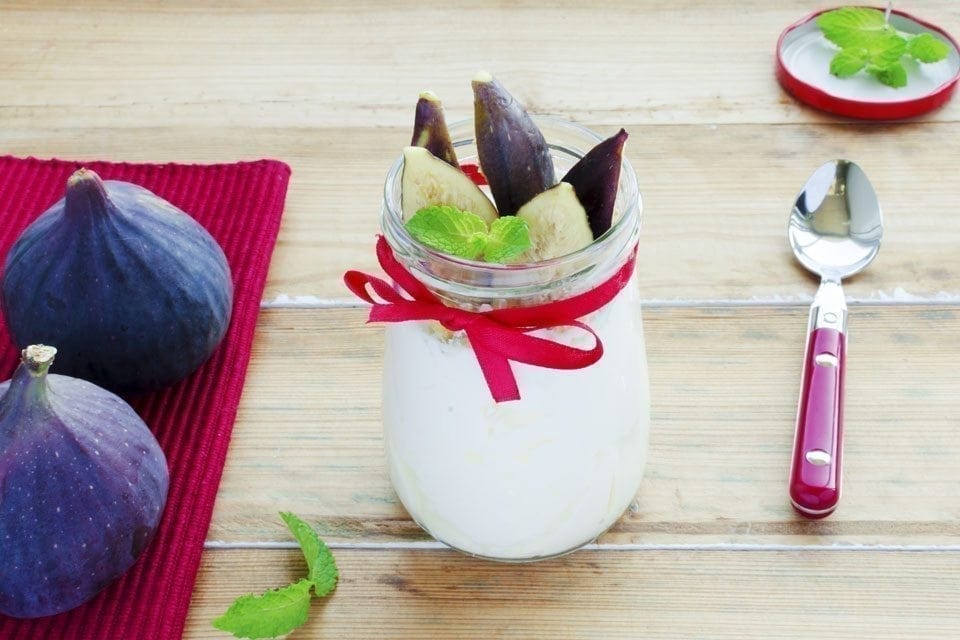
Mason jars take the hassle out of breakfast—make something ahead of time, grab it, and go. And, they're super cute! We've created a simple template for you to follow when putting together your own amazing breakfast creations. Keeping it simple (and a little sweet) is the name of the game here. Start with protein-rich dairy or fiber-filled grains as a base, add fruit, and top with a few nuts. Voila—a healthy and filling breakfast!

Fill your jar from the bottom up, and be sure anything you cook has cooled before assembling.

Protein-Rich Base (150-225 calories per cup)

2% Greek Yogurt

Nutrition (per 7oz): Calories: 150; Total Fat: 4g; Saturated Fat: 3g; Cholesterol: 10mg; Sodium: 65mg; Total Carbohydrates: 8g; Dietary Fiber: 0g; Sugars: 8g; Protein: 20g

Nutrition Bonus: Potassium: 155mg; Vitamin A: 2%; Vitamin C: 0%; Calcium: 20%; Iron: 0%

Oatmeal

Nutrition (per cup): Calories: 166; Total Fat: 4g; Saturated Fat: 1g; Cholesterol: 0mg; Sodium: 9mg; Total Carbohydrates: 32g; Dietary Fiber: 4g; Sugars: 1g; Protein: 6g

Nutrition Bonus: Potassium: 143mg; Vitamin A: 0%; Vitamin C: 0%; Calcium: 2%; Iron: 12%

Quinoa

Nutrition (per cup): Calories: 222; Total Fat: 4g; Saturated Fat: 0g; Cholesterol: 0mg; Sodium: 13mg; Total Carbohydrates: 39g; Dietary Fiber: 5g; Sugars: 0g; Protein: 8g

Nutrition Bonus: Potassium: 318mg; Vitamin A: 0%; Vitamin C: 0%; Calcium: 3%; Iron: 15%

Fruity Middle (30-100 calories per half cup)

Strawberries

Nutrition (per ½ cup): Calories: 49; Total Fat: 0g; Saturated Fat: 0g; Cholesterol: 0mg; Sodium: 2mg; Total Carbohydrates: 12g; Dietary Fiber: 3g; Sugars: 7g; Protein: 1g

Nutrition Bonus: Potassium: 220mg; Vitamin A: 0%; Vitamin C: 149%; Calcium: 2%; Iron: 4%

Peaches

Nutrition (per ½ cup): Calories: 46; Total Fat: 0g; Saturated Fat: 0g; Cholesterol: 0mg; Sodium: 0mg; Total Carbohydrates: 11g; Dietary Fiber: 2g; Sugars: 10g; Protein: 1g

Nutrition Bonus: Potassium: 224mg; Vitamin A: 0%; Vitamin C: 0%; Calcium: 0%; Iron: 0%

Bananas

Nutrition (per ½ cup): Calories: 105; Total Fat: 0g; Saturated Fat: 0g; Cholesterol: 0mg; Sodium: 1mg; Total Carbohydrates: 27g; Dietary Fiber: 3g; Sugars: 14g; Protein: 1g

Nutrition Bonus: Potassium: 422mg; Vitamin A: 2%; Vitamin C: 17%; Calcium: 1%; Iron: 2%

Cantaloupe

Nutrition (per ½ cup): Calories: 27; Total Fat: 0g; Saturated Fat: 0g; Cholesterol: 0mg; Sodium: 13mg; Total Carbohydrates: 7g; Dietary Fiber: 1g; Sugars: 6g; Protein: 1g

Nutrition Bonus: Potassium: 208mg; Vitamin A: 54%; Vitamin C: 49%; Calcium: 1%; Iron: 1%

Nutty Topping (150-170 calories per ounce)

Almonds

Nutrition (per 1oz serving): Calories: 161; Total Fat: 14g; Saturated Fat: 1g; Cholesterol: 0mg; Sodium: 0mg; Total Carbohydrates: 6g; Dietary Fiber: 3g; Sugars: 1g; Protein: 6g

Nutrition Bonus: Potassium: 200mg; Vitamin A: 0%; Vitamin C: 0%; Calcium: 7%; Iron: 6%

Cashews

Nutrition (per 1oz serving): Calories: 155; Total Fat: 12g; Saturated Fat: 2g; Cholesterol: 0mg; Sodium: 3mg; Total Carbohydrates: 9g; Dietary Fiber: 1g; Sugars: 2g; Protein: 5g

Nutrition Bonus: Potassium: 187mg; Vitamin A: 0%; Vitamin C: 0%; Calcium: 1%; Iron: 10%

Pistachios

Nutrition (per 1oz serving): Calories: 159; Total Fat: 13g; Saturated Fat: 2g; Cholesterol: 0mg; Sodium: 113mg; Total Carbohydrates: 7g; Dietary Fiber: 3g; Sugars: 2g; Protein: 6g Nutrition Bonus: Potassium: 291mg; Vitamin A: 1%; Vitamin C: 1%; Calcium: 3%; Iron: 7%

Peanuts

Nutrition (per 1oz serving): Calories: 168; Total Fat: 15g; Saturated Fat: 2g; Cholesterol: 0mg; Sodium: 90mg; Total Carbohydrates: 4g; Dietary Fiber: 3g; Sugars: 1g; Protein: 8g

Nutrition Bonus: Potassium: 200mg; Vitamin A: 0%; Vitamin C: 0%; Calcium: 2%; Iron: 2%

woman on scale

There's nothing simple about losing weight. The adage, "calories in, calories out" reduces the process to a mathematical method that doesn't account for our psychology, emotions or deeply ingrained habits. Of course you need to track calories when you're trying to lose weight, but making real changes requires clarity and devotion. Our experts can help.

1. Prioritize taking care of yourself.

Mantra: "I am taking really good care of myself." If this is the thought that you keep reminding yourself throughout the day, then how do your actions support it? If I were taking really good care of myself, then I might choose to eat French fries after a harder day at work, but I'd only eat a small portion, and I'd also take a walk."
—Carley Hauck

2. Make a fallback plan.

Almost every Thursday, my clients write their fallback plan for the weekend. While you're in a good mood, before you come across the "screw its," sit down and think about what the minimum-minimum is: What's the ONE THING you need to do to feel like you're still on track? Is it eating vegetables? Drinking water between adult beverages? Doing 10 push-ups?

Be realistic. Any healthy choice is still moving forward. Now write down your fallback plan, or take a picture of it on your phone so you'll remember it just before the "screw its" happen.
—Coach Stevo

3. Think about whether negativity impacts your decisions.

Choices are something that you are in control of, so start being aware of what you are doing and eating, and who you are hanging out with. Simply put, if it doesn't align with who you are, what your beliefs are or what's important to you, let it go. You will be amazed at the freedom and relief that comes after letting go of all the negativity.
—Erik Taylor

4. Keep adjusting your calorie intake.

As you lose weight, your metabolism can drop because your body requires less calories or "energy" to fuel a smaller you. The calorie intake that you initially had when you began your weight-loss journey will need to be adjusted to match your body's current needs for weight loss. Make sure to revise your calorie goal in MyFitnessPal every 10 pounds or so.
—Kristina LaRue

5. Eat an adequate amount of protein; it fuels fat burning.

It may be surprising, but it is a scientific fact that your body cannot effectively burn and use fat as energy if it doesn't have help from either carbohydrate or protein. As you are losing weight, your body loses both muscle and fat (I know, bummer!). During this process it is especially important that you continue to eat enough protein. Eating adequate protein fuels fat burning while preserving calorie-burning lean muscle.
—Trinh Le

6. Focus on the bigger picture.

The key to long-lasting health is consistency. Focus on feeling good and on being happy with the decisions that you are making, and stick with it. Your diet and exercise adjustments will improve a little bit at a time, and you will begin to see change. At the end of the day, it's not about a number on a scale, the number of marathons you've run, or the weight you can lift. It's about how you feel and the positive impact you can make on the lives of those around you.
—Jacob Warwick

7. Be strategic about eating back your exercise calories.

The calories you eat and exercise off are estimations, and we're more likely to overestimate calories burned from exercise. If hunger hits between meals, start slow–particularly if you're trying to lose or maintain your weight. Begin by eating back a percentage of your exercise calories (say, 50%) rather than all of them, and see how you feel in 20–30 minutes.
—Elle Penner

8. Eat a small, bland snack between meals.

This trick was discovered by the late Seth Roberts: What he did was consume a shot of olive oil or a glass of water with a tiny bit of sugar between meals. I prefer a handful of unsalted almonds. Doing this once a day dramatically reduced my appetite—this can be particularly true if you have a lot of weight to lose.

This is one of the weirdest things I've ever tried, but it worked for me. The reason this works: it apparently regulates ghrelin, a hunger hormone, by weakening flavor-calorie associations. For this to work, the snack must be bland, and you should consume nothing else but water for at least an hour before and after the snack.
—John Fawkes

9. Add exercise to help maintain your weight loss.

When people lose weight through calorie restriction but without exercise, they tend to lose muscle along with body fat. But when they change their diet and exercise, they preserve muscle and lose more fat.

Many kinds of exercise can be effective for weight loss, but running is among the most effective. In a 2012 study, Paul Williams of the Lawrence Berkeley National Laboratory found that runners were leaner and lighter than men and women who did equivalent amounts of any other type of exercise. The main reason seems to be that people typically burn more calories per minute when running than they do when swimming, riding a bike, or whatever else.
—Matt Fitzgerald

10. Get in the habit of consistent tracking.

When you're using MyFitnessPal to lose weight, the first thing you need to focus on is getting into the habit of tracking your food and activity. The more you track, the more you'll learn about your eating habits—and the more likely you'll be to reach your goals! Eighty-eight% of people who track on MyFitnessPal for seven days lose weight.
—Glennis Coursey

11. Reconsider the quality of what you're eating.

Diet and weight loss will likely always be more complicated than "exercise more, eat less"—no matter what a well-meaning relative or personal trainer might suggest. And it's worth considering the potential outsize, knock-on effects of refined carbohydrates on our bodies. It is perhaps more valuable to think: "Healthy diet, healthy body"—and to carefully consider whether any food that comes out of a box, as so many refined carbs do, qualifies for the former, or will help achieve the latter.
—Diane Keeler

12. Create an environment that's hospitable to healthier eating.

Brian Wansink believes that if we want to make eating better a lifestyle, we need to trick our brains into making the right choices. Even the smallest things, such as where you store your cereal (Wansink believes you'll eat less of it if you store it out of sight in a pantry or cupboard instead of on the kitchen counter) and where you start grocery shopping (linger in the produce aisle first for at least 10 minutes; you'll buy more fruits and veggies) can make huge impacts.

"It's a lot easier for us to set up our most immediate environment so that it's easier to eat better," Wansink says.

13. Consider the quantity and quality of your calories.

A balanced diet rich in whole grains, fruits and vegetables will help you maintain a low glycemic load. Choosing lean protein sources like chicken, fish, nut butter and low-fat cheese will reduce the amount of fat—particularly saturated fat—in your diet. Both glycemic load and protein type are indicators of your diet quality, and will affect your weight.

It's apparent that a calorie is not a calorie in this case, so do calories still count when it comes to weight loss? The answer is a resounding Yes! To be successful at maintaining a healthy weight, both the number of calories consumed and the quality of those calories matters.
—Trinh Le


Previous PostPostingan Lama Beranda
Related Posts Plugin for WordPress, Blogger...